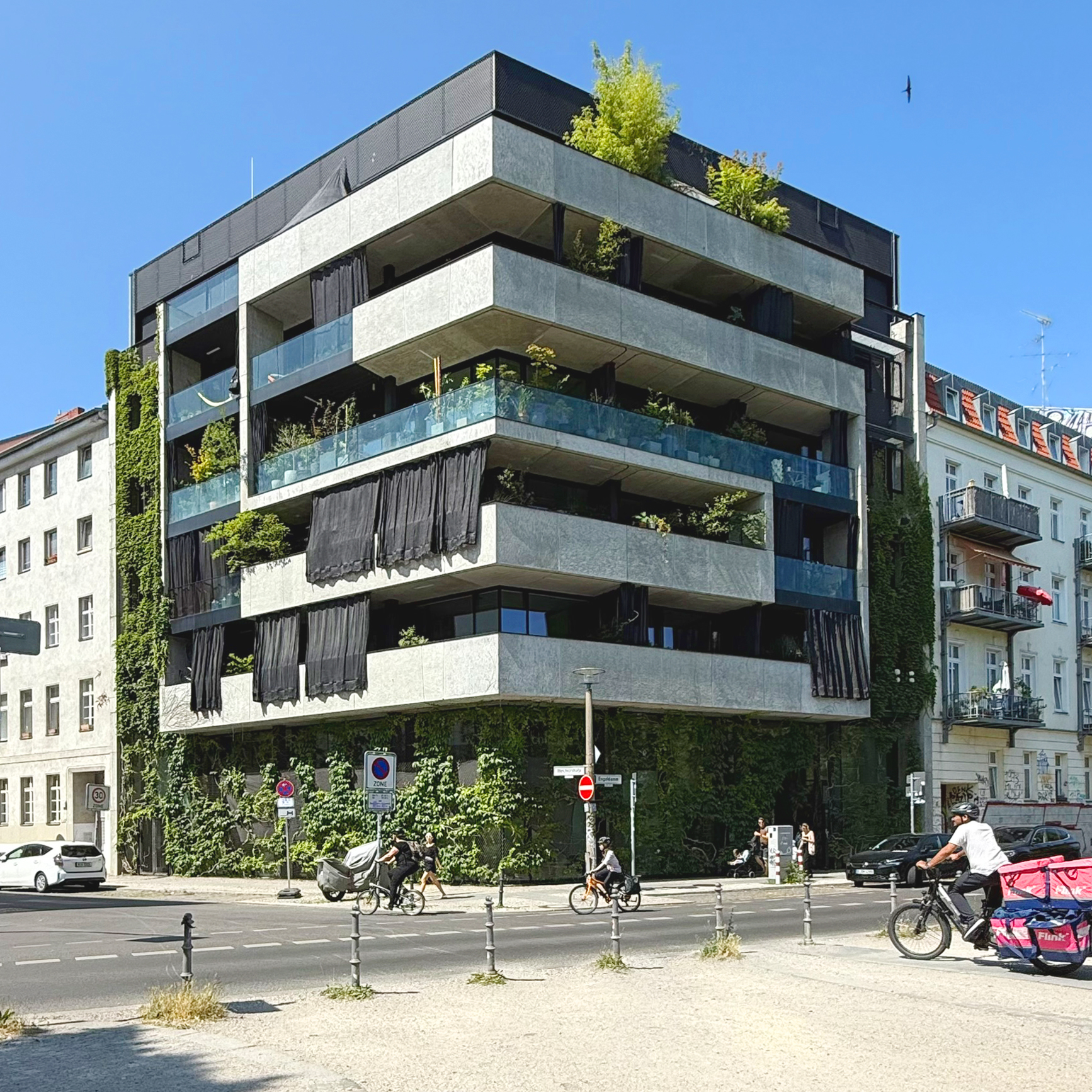
The Passivhaus Engeldamm’s innovations raise the bar for architecture’s mission to halt climate change.
by Phoebe Swetish
August 25th, 2025
The Mitte-Kreuzberg district in Berlin is a fusion of two quite different parts of the city’s centre: Mitte’s famous tourist sites, such as the Brandenburg Tor, and Kreuzberg’s activist and multicultural history, which includes the lively Turkish open air market. The district is also home to a building outstanding not only for fusing functionality with sustainability, but for provoking dialogue surrounding an increasingly urgent issue: the adaptations architects must incorporate into their designs in this Age of Climate Crisis.
“This moment, when relations between the ecological, geological, social and political are so densely intertwined, calls for experimentation in the improvisation of life,” urges the climate change expert, Dr. Renata Tyszczuk. “Improvisation is about resourcefulness, about seeing poetic possibilities and making creative responses to the moment.”
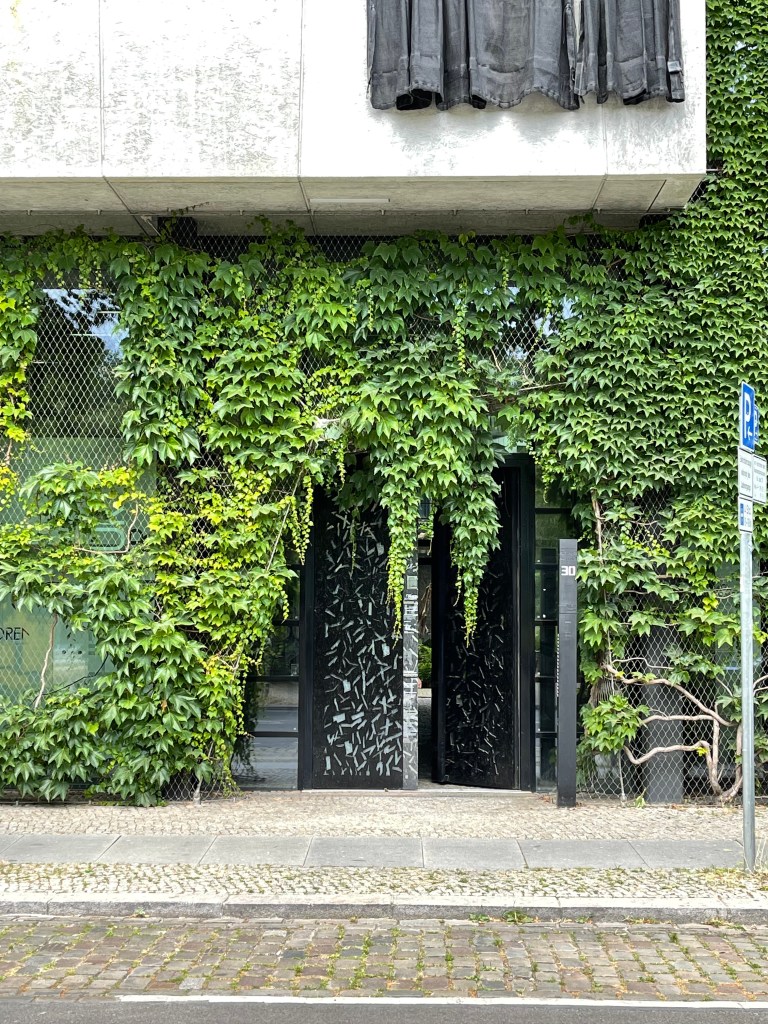
The Passivhus Engeldamm mixed-use apartment and office building blends into the quiet background of its neighbourhood, the front wall disguised by a seasonally green facade. Joerg Springer and Robert Mieth, the German-born architects who founded the Scarchitekten practice, intended their design to introduce housing that would act in communication and harmony with its residents, onlookers, and environment.
There are a lot of good looking houses, but that is not enough. You are in an acoustic, isolated and completely insulated box, hearing nothing, and feeling nothing. People are getting sick from it.
The potential they observed in the Berlin neighbourhood inspired them to start plans without a contract or clientele. They trusted others would resonate with their vision once construction started. “There was no doubt it could be something special,” Springer remarks while gazing at the park in front of the building.
The area’s potential was undeniable to Springer. However, the architect quickly noticed architectural divides as a common theme amongst the apartment buildings on the block. He observed that the consistency of the former block of flats limited residents’ interactions within the community. The standard structure of housing encouraged isolation rather than communication.
“There are a lot of good looking houses, but that is not enough. You are in an acoustic, isolated and completely insulated box, hearing nothing, and feeling nothing. People are getting sick from it.” Springer and Mieth took that sentiment to heart. They developed their vision into tangible plans with the assistance of an eight-person team. “I don’t care about time consuming planning, I care about quality,” Springer says while reflecting on the construction process.
As well as envisioning the exterior, the architects designed each item of furniture to fit seamlessly within the building. Each piece can be disassembled and pieced together in alternative ways, creating multiple functions for varying occasions. All tables and chairs in the building can be molded to the users’ needs. Within a relatively efficient year and six months, the building was completed. In the process, the Basel-based Edith Maryon Foundation quickly grew interested in their unique design plan. The foundation became their loyal client.
If architects could live in their own building, they would be different.
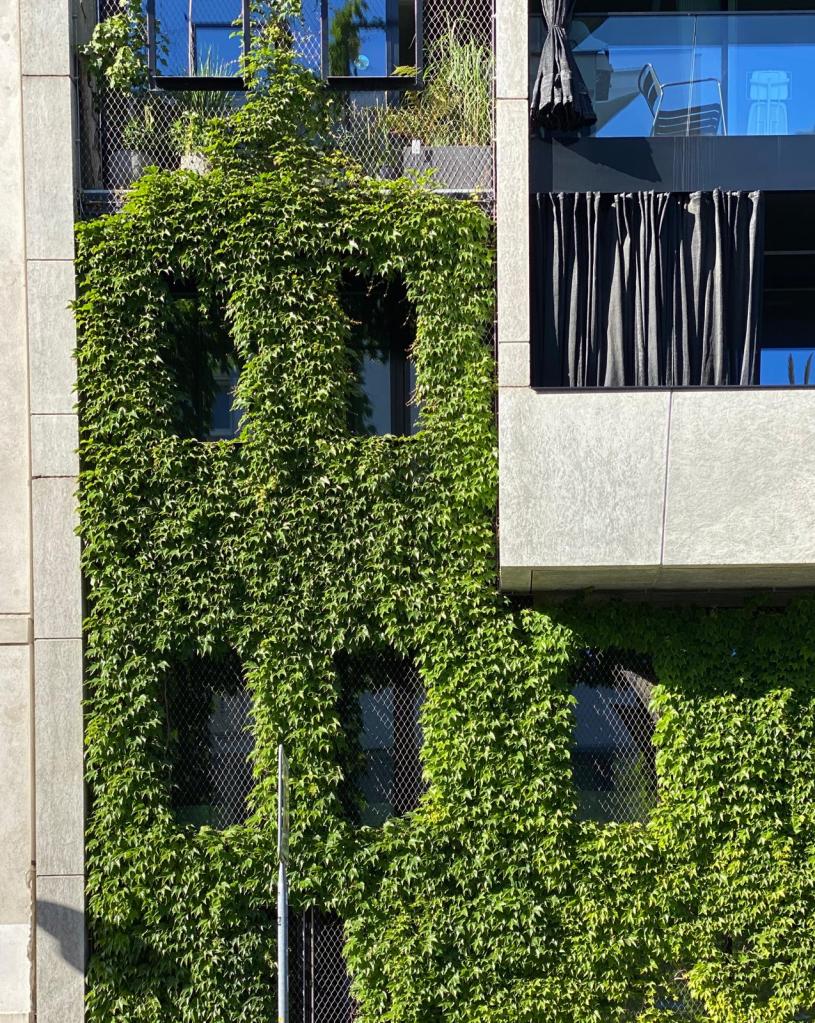
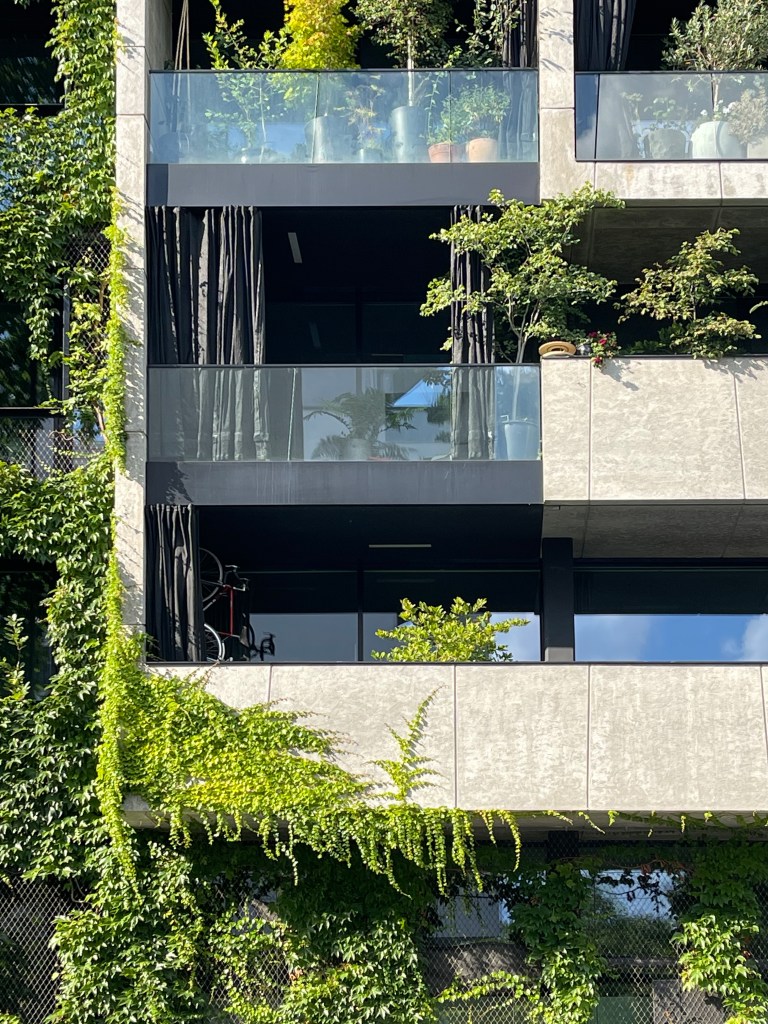
Although Berlin can experience stifling June temperatures (increasingly record-breaking. Summers regularly feature heatwaves exceeding 30 degrees Celsius), the building is absent of central air conditioning or heating systems. Springer believes the solution to temperature control does not require advanced technology. A low technological solution may be more logical. The green facade that clings to the exterior of the building shades the windows from solar rays, regulating much of the inside temperature. The vegetation covering the facade provides a natural community for insects and small fauna within the city. When the vines grow dormant in the cooler months and shed their leaves, they reveal open spaces for passersby to observe the interior through the ground level windows. Springer is always pleased when onlookers express curiosity during the months of the barren facade, encouraging conversations about the architecture.
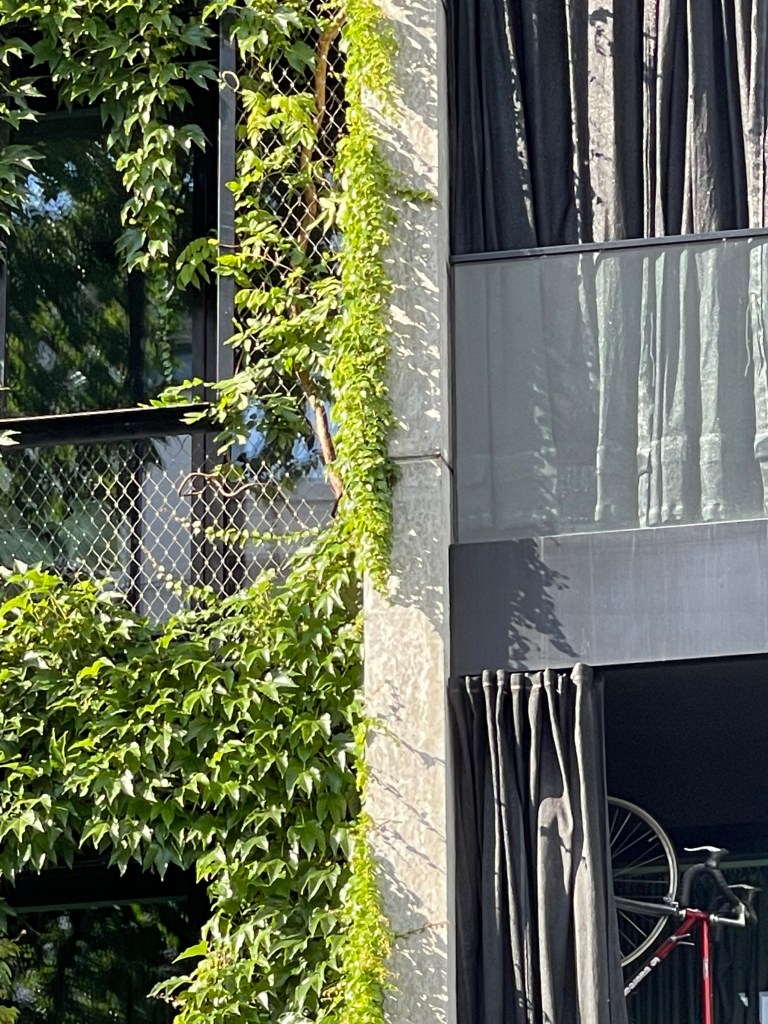
“Nowadays, we have Facade-systems with ten different layers. We should go back to more simplified constructions,” Springer advocates. Residents are provided specially designed black curtain-shades, which protect their balconies and windows from summer heat. The innovative fabric appears opaque from the exterior and transparent from the interior. Springer notes the positive feedback he has received from residents. Although the curtains are a simple fix, they provide flexible sun protection without eliminating residents’ balcony views.
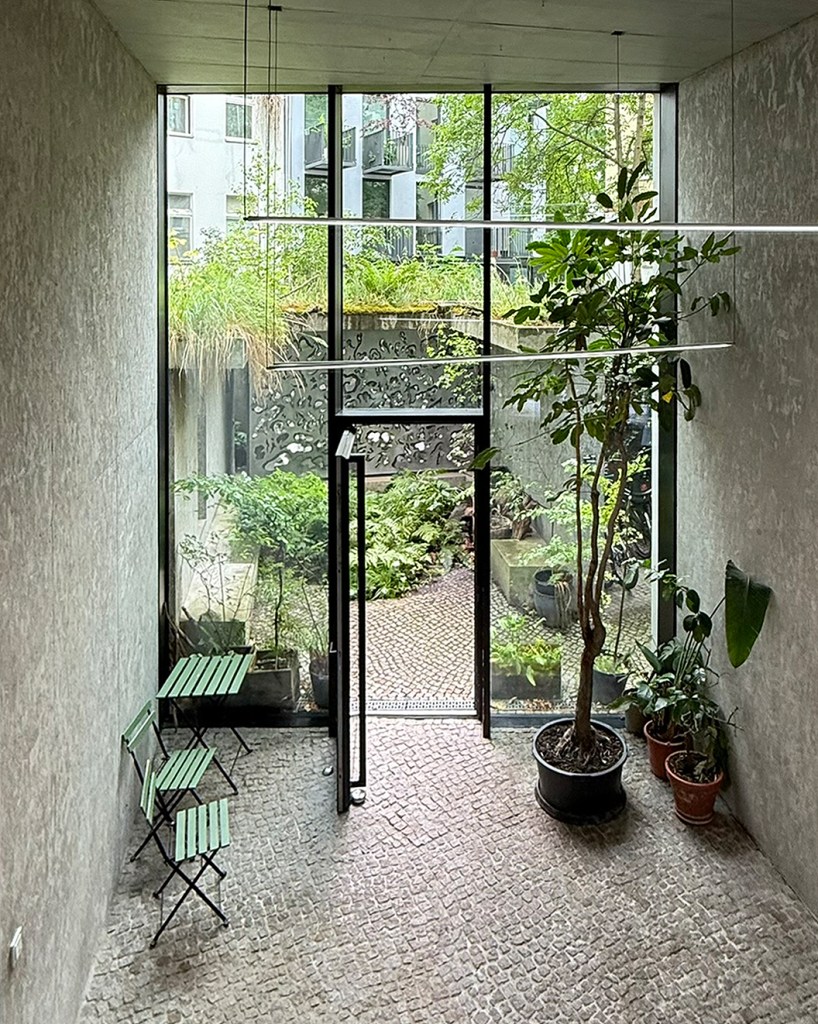
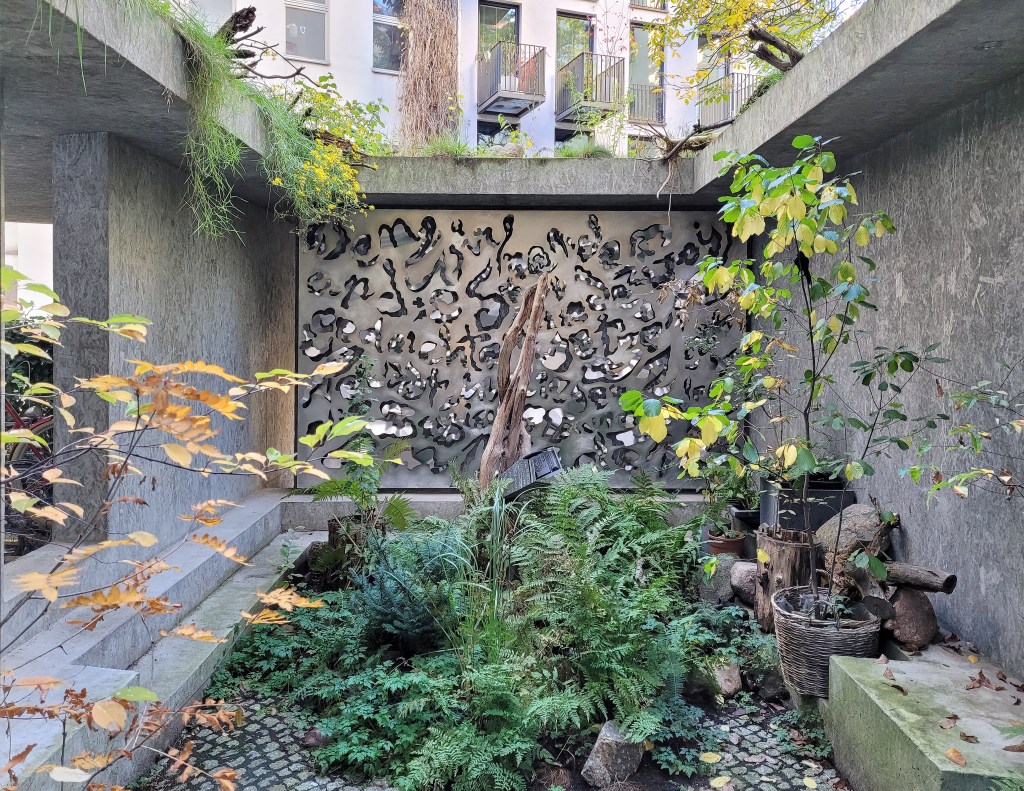
Entering the building, there is a direct view to the back courtyard, with an area of vegetation Springer refers to as “the forest garden”. This area of greenery naturally exudes cool air, which keeps the interior significantly more temperate than industrially air conditioned buildings. This simple solution provides the building with oxygen and fresh air, while maintaining an eco-friendly cooling system.
You can never measure sustainability. You build the house, you hope it works well, the heating system, the privacy, the technique, the long term behavior of materials. In this case it’s a perfect experiment because we are always monitoring what is functional and what is not.
Pocketed beside the forest, the greywater recycling system bubbles softly as it filters the building’s dirty water underground. The process promotes water conservation and limits unnecessary waste within the building. Double piping behind the walls separates used water from drinking water, which is always freshly sourced. Drainage from the showers is filtered for reuse for functions like filling plant pods, washing machines, and toilet bowls.
Springer acquired valuable lessons since his early studies. “I had to learn that all the technical parts are part of the design.” Anticipating issues that will arise during construction has become a natural step in his design process. He includes his construction workers in design planning to ensure they are sharing one vision.
The building is heated by geothermal energy. During the winter, heat is transported from below ground level, through an alternative process involving a heat exchanger. Six holes drilled into the soil filter tubes 99 meters below ground level. A plasma solution filters down the tubes through 30 meters of sand, and 30 meters of crushed shells before reaching the warmer depth. The metal in the plasma solution attracts the underground heat, which is then returned to the surface. The 6 to 8 degree temperature difference is then increased when pressed in a heat exchanger to generate energy. After intensifying the temperature, it is utilised for warming the water and air throughout the building.
“You can never measure sustainability. You build the house, you hope it works well, the heating system, the privacy, the technique, the long term behavior of materials. In this case it’s a perfect experiment because we are always monitoring what is functional and what is not.” Springer says. “If architects could live in their own building, they would be different.”
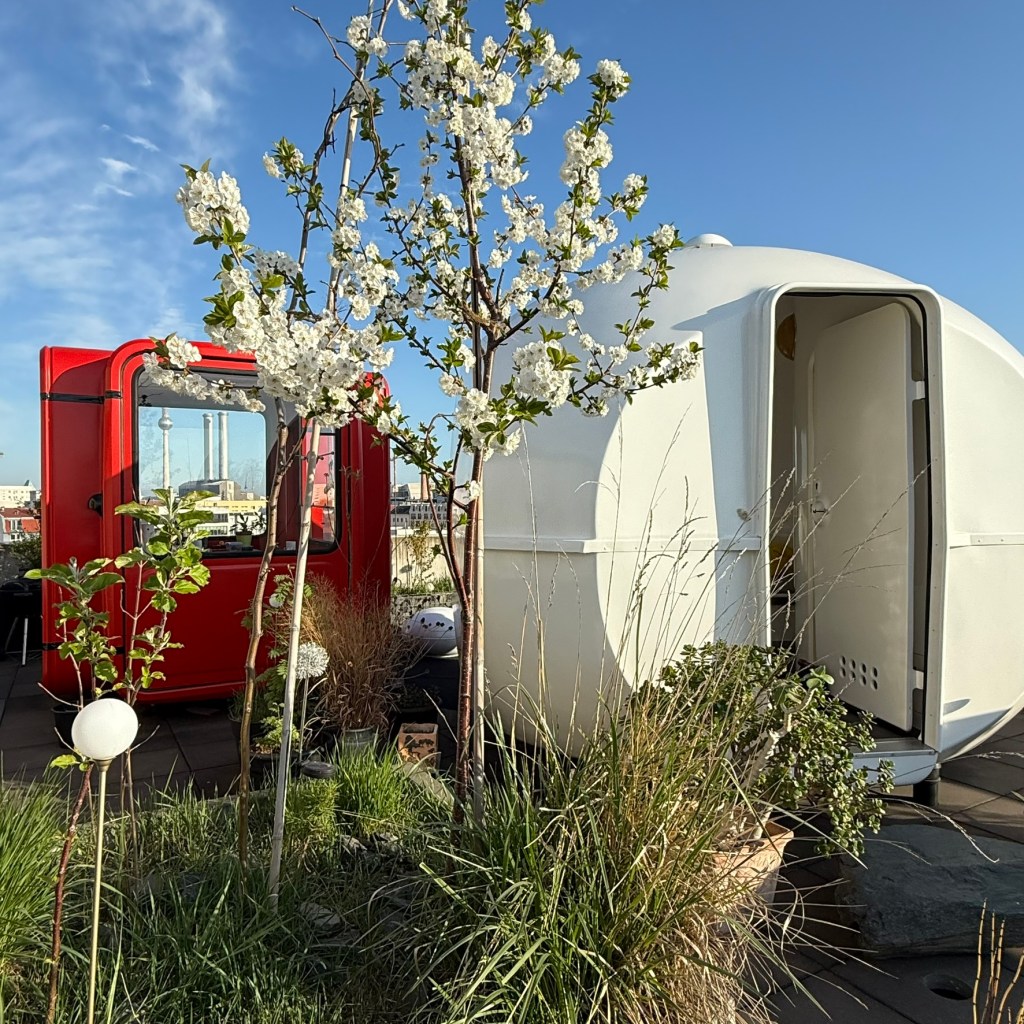
From his vantage point in the building’s offices, Springer remains attentive to the needs of the building’s residents and the warming planet. The common areas are open to everyone in the building. He shares that many nights are spent on the terrace, where residents enjoy spending time together with a view of the city. “It’s a rich life in terms of being alive and in [having a] sense of community.” Springer often spends time in the building, participating in caretaker service, gardening, socialising, and art exhibitions. He smiles: “That’s the best thing, when you don’t realise you’re working.”

Leave a comment