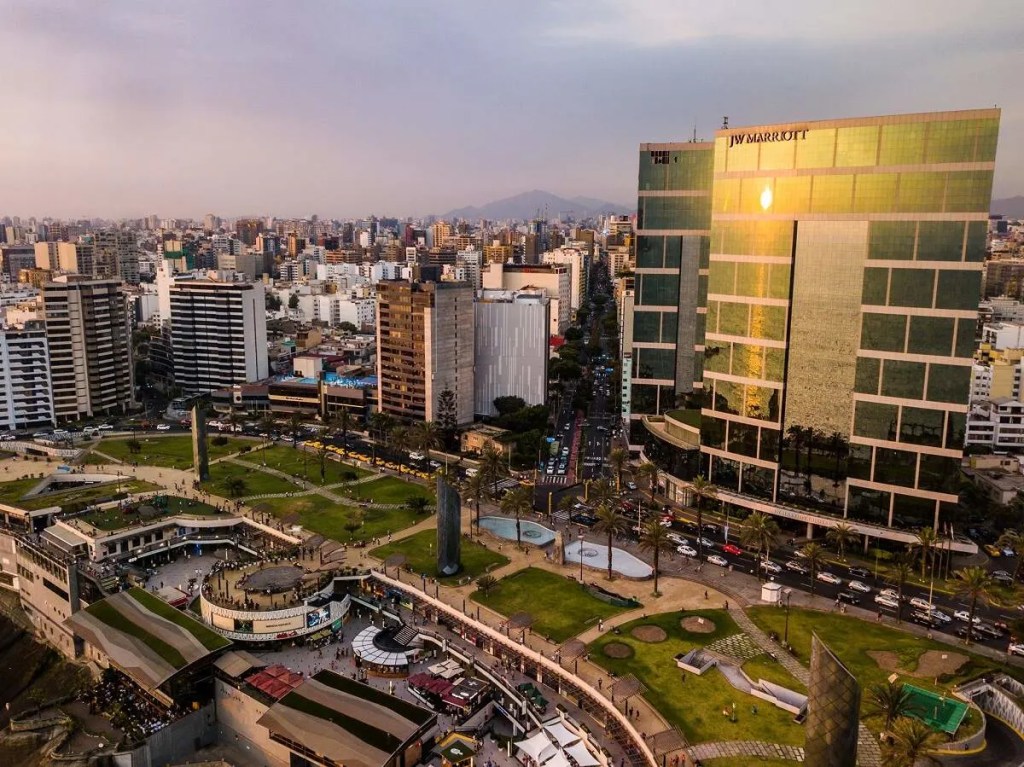
Moving from Lima, Peru to London as an architect offers a strikingly different view of urban development and social housing. The cities stand worlds apart in how they approach these challenges, and my short time exploring London has highlighted this sharp contrast.
By Karina Yep Gonzales
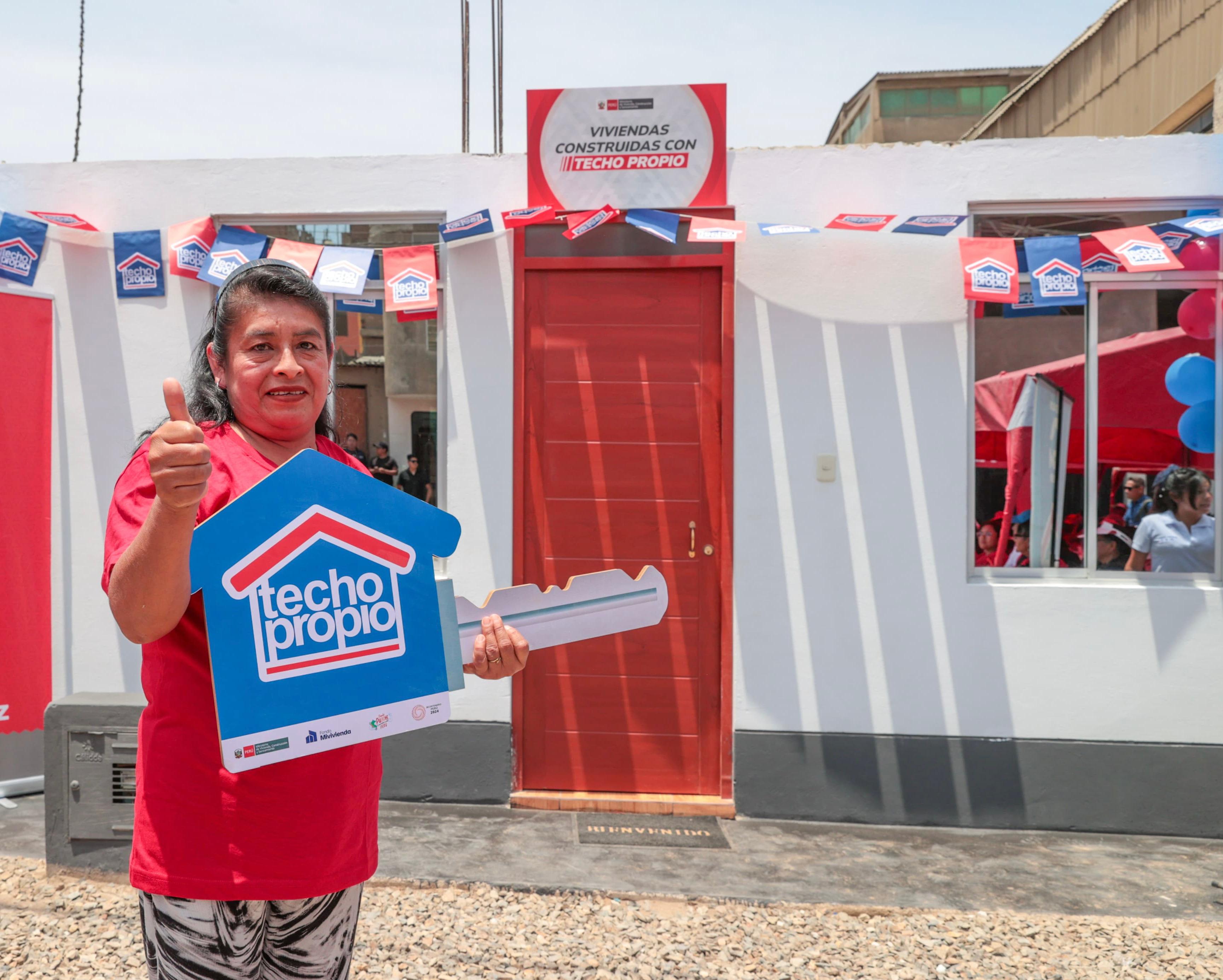
In Lima, where I began my career, social housing often emerges from necessity, with many homes self-built by residents in informal settlements. These areas lack cohesive planning, and basic services, like water and sanitation, are commonly absent. The city is grappling with rapid urban migration and a critical housing deficit. Government-led initiatives like MiVivienda and Techo Propio exist, but they often fall short of meeting demand, with bureaucracy and corruption adding further obstacles. Even in established residential areas, the provision of green spaces, healthcare facilities, and community services is often an afterthought.
London, by comparison, offers a more formalized approach to social housing. Housing here is highly regulated and built within the framework of broader urban planning policies. Council estates and housing association properties reflect a deep consideration of building codes and material choices. The trend of sustainability and design standards take center stage, which starkly contrasts with the often-improvised nature of Lima’s housing.

London has its own set of challenges: affordable housing remains scarce, and gentrification threatens to displace many low-income residents, echoing global urban issues. The main differences between Lima and London’s housing systems come down to government
policies, resources, and the extent of inequality. Lima struggles with a lack of basic infrastructure and planning, while London’s challenges stem from navigating a more sophisticated system that still struggles to accommodate all its residents.
As architects, we have a responsibility to bridge these divides. Whether addressing the housing deficit in Lima or advocating for more equitable solutions in London, our work must aim to create accessible, healthy, and sustainable environments. Collaboration, innovation, and local solutions can make a tangible difference. The road may be long, but it is one we must walk together to ensure everyone, whether in a developing or developed city, has access to safe, dignified housing, especially when it has extreme weather conditions.

Leave a comment